Guide
Sierpe to Drake Bay boat taxi
The river, the ocean and the wildest arrival in Costa Rica
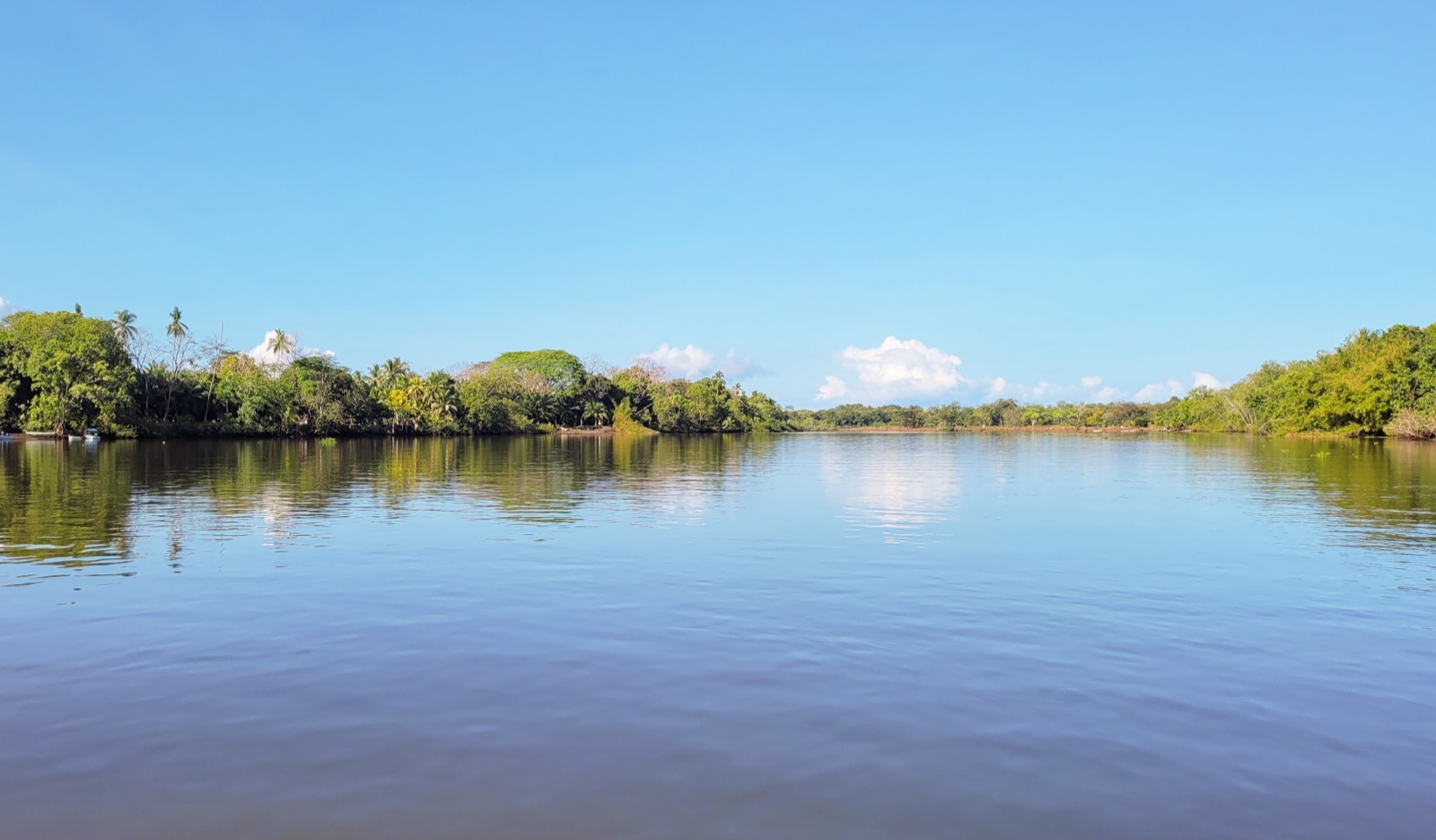
The Sierpe to Drake Bay boat taxi is a passenger boat that runs down the Sierpe River through the Térraba-Sierpe mangroves, out through the river mouth and along the Osa coast to Drake Bay. The main shuttle leaves Sierpe once a day in the late morning and takes about an hour to Drake Bay village, longer to lodges farther along the coast. Cars stay in Sierpe.
Some destinations make an entrance. Drake Bay practically stages one. You start on a river in southern Costa Rica, glide through a green world of mangroves, cross toward the Pacific and follow a remote coastline until the Osa Peninsula begins to reveal itself. Your boat comes toward a beach where rainforest rises behind the houses, and suddenly you understand why this journey has become a favorite part of a visit to the Osa.
The Sierpe to Drake Bay boat taxi is practical passenger transportation, not a sightseeing cruise dressed up as a shuttle. Yet the scenery can rival expensive excursions elsewhere in the country. It is also one of the clearest examples of how geography shapes travel in Costa Rica: some lodges and communities on this coast are much easier to reach by boat than by road, and certain properties rely on marine arrivals.
If you are heading for Drake Bay, Agujitas, a coastal lodge or a gateway to Corcovado National Park, this guide explains what the boat trip involves, where it leaves from and how to avoid the most common logistical surprises.
Where does the Sierpe boat leave from?
Sierpe is a small riverside town in southern Puntarenas province, reached overland from the Costanera Sur region. It sits beside the Río Sierpe, which winds through a landscape of wetlands and mangrove forests before reaching the Pacific.
Passenger boats depart from designated boarding points along the river in Sierpe. Your booking confirmation should specify the exact dock, meeting time and operator. Do not assume every boat departs from the same restaurant or riverside landing. Sierpe Drake Boats, for one, lists its Sierpe dock at Restaurante Donde Jorge. Private lodges and different boat services can use different arrangements.
The journey has two distinct personalities. First comes the river, with mangroves, low green banks and water that reflects the trees. Later comes the river mouth and coastal portion of the trip, where the boat encounters the Pacific and the shoreline of the Osa Peninsula. It is that transition which makes the crossing particularly memorable.
The operator at Drake Bay Boat Shuttle publishes a scheduled service and detailed lodge sectors. Another provider, Sierpe Drake Boats, sells passenger transfers on the route. Always confirm the exact service you are purchasing; the existence of one operator's timetable does not mean that every captain or lodge shuttle follows it.
Why is arriving by boat so special?
Most road journeys are experienced through a windshield. You watch roadside towns pass, cross bridges and search for the next turn. On the river to Drake Bay, the landscape becomes much closer. Mangroves grow over the banks, roots tangle beneath the waterline, and the air carries the warm smell of wet forest.
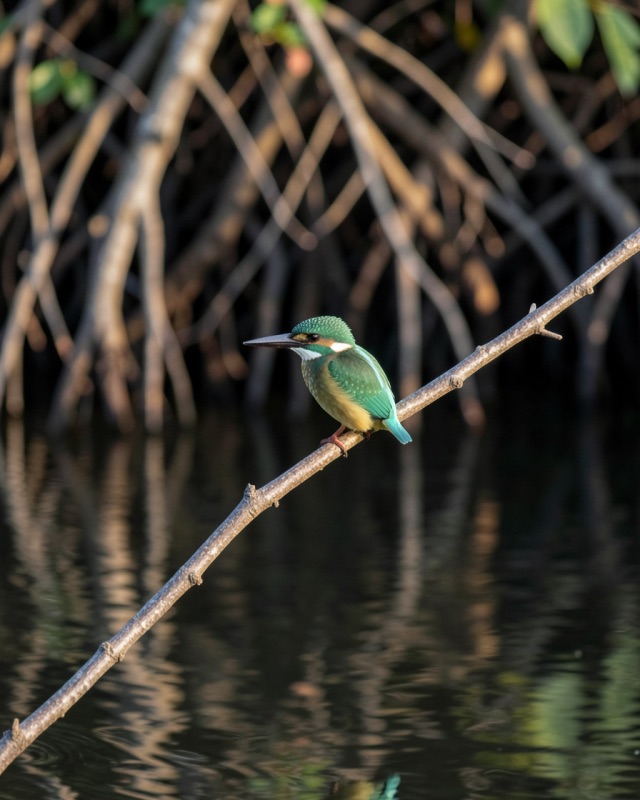
Birds sometimes sit above the channels, apparently unconcerned by the small dramas of human transportation. Depending on conditions and luck, travelers may notice herons, egrets, kingfishers and other river or coastal wildlife. Crocodiles inhabit some Costa Rican estuarine systems, so passengers should not treat the river as a swimming stop. Look, listen, enjoy, and keep your limbs inside the boat.
Then comes the opening toward the Pacific. The horizon widens and the boat changes character. The captain must account for waves, tides and the conditions where river water meets the sea. You may feel more movement than on the sheltered river, which is perfectly normal for this route but worth knowing in advance if you are prone to motion sickness.
The Osa coastline unfolds in layers: forested slopes, small beaches, rocky points and the extraordinary sense that this part of Costa Rica still belongs more to nature than development. By the time Drake Bay appears, you may have forgotten that this was supposed to be a transport day.
The river mouth: why the captain's instructions matter
The Sierpe river mouth is the part of the crossing that deserves respect. Water flowing out of the river interacts with Pacific swell, tides and sandbars, producing conditions that vary with weather and water level. Navigating this area requires local experience, especially when the ocean is unsettled.
Passengers should stay seated when instructed, secure their belongings and wear the required flotation equipment. If the captain asks everyone to distribute weight or keep still during a particular section, do it immediately. These instructions are practical seamanship, not an attempt to spoil your holiday.
A professional operator may change departure timing or cancel a crossing if sea conditions are unsuitable. Build a margin into any international flight or other nonrefundable connection. You can still have a magnificent Costa Rica trip if the boat sails an hour later; you cannot make the sea safe by staring furiously at your watch.
Drake Bay Center is not the same as every Drake Bay lodge
Here is the most important booking detail: your destination may be beyond Drake Bay village itself.
The Drake Bay Boat Shuttle schedule distinguishes several lodging sectors. One is Drake Bay Center, where travelers access Agujitas and accommodation around the village. Another includes Caletas-area lodges, farther along the coast. A third includes lodges closer to the Corcovado sector, reached through additional coastal stops.

These are not cosmetic distinctions. A boat may stop in Drake Bay village and then continue to another beach or lodge landing. Travel times differ accordingly. Some lodges have access by paths or private boat rather than conventional road connections. An arrival at the village does not automatically mean you can walk to a remote property with a rolling suitcase.
When booking, provide the exact accommodation name, not just 'Drake Bay.' The captain or reservation agent needs to know which sector you are going to. If the name of your lodge is missing from an online booking system, contact the operator before selecting an approximate destination.
For the same reason, check return pickup arrangements. Your return boat could collect passengers at a beach landing rather than a formal marina. Weather and tides may affect how bags and passengers are transferred. Your lodge is often the best source for the specific instructions at its beach.
What is the current schedule?
One current operator, Drake Bay Boat Shuttle, publishes a daily 11:30 a.m. departure from Sierpe and a 7:30 a.m. departure from Drake Bay toward Sierpe, with earlier pickups at the more distant lodges. Exact times and additional departures should be checked directly with the operator. Other transfer companies can have their own timetables.
The key planning point is that this is not an on-demand public bus running constantly through the day. You cannot assume there will be a suitable scheduled boat at any hour you happen to reach Sierpe. Reserve space, verify the final boarding time and leave a realistic drive-time margin.
If you are driving from Uvita or another part of the southern Pacific, account for weather, traffic and the final road into Sierpe. If traveling from San José, the combination of a long drive and a scheduled coastal boat may require an early start or an overnight stay. Avoid building an itinerary that only works if every road behaves perfectly.
For current boat times, hotel-sector stops and prices, check the official Drake Bay Boat Schedule. The site separates fares by destination sector, so use the listing for your actual lodge.
What happens to your rental car?
Passenger boats on the Sierpe to Drake Bay route do not carry private cars. If you arrive in a rental vehicle, you need to arrange parking in Sierpe or use a transport service that drops you off. Your lodging or boat operator may be able to recommend an appropriate parking arrangement, but availability, security procedures and charges should be confirmed directly with the provider.
If your holiday continues to another region afterward, consider whether leaving a rental car in Sierpe is practical. You may be paying for a vehicle while spending several days at a remote lodge where there is little use for it. Some travelers prefer an overland shuttle to Sierpe and the boat onward, while others value having the car available when they return.
A separate road route toward Drake Bay exists for some travelers, but road and river-crossing conditions in the Osa can be variable, especially in heavy rain. Do not interpret the existence of a road on a digital map as proof that it is suitable for every rental car at every time of year. Ask your accommodation about the current recommended access.
How much luggage can you take?
Bring what you need, but travel sensibly. The boat is a passenger launch rather than an airport shuttle with an enormous baggage compartment. Bags may be handled at river docks, transferred onto a moving vessel or carried during a beach landing. Large hard-shell suitcases can be inconvenient and are often less practical than compact luggage or a waterproof duffel.
Check your operator's luggage limits and any rules about extra weight. The Drake Bay Boat Shuttle website explains its own booking and arrival process. Other providers may differ.
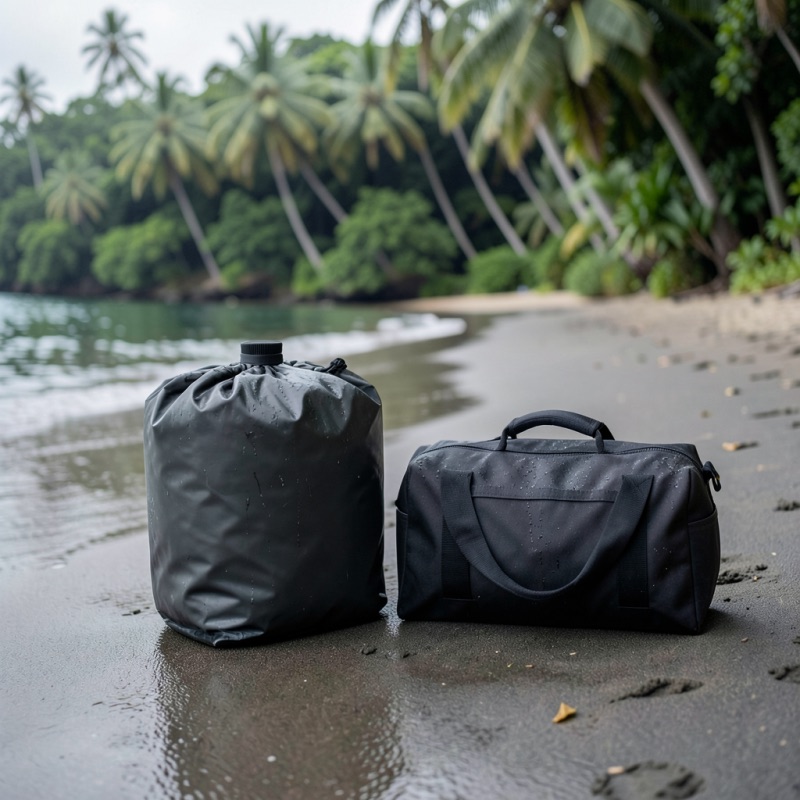
Protect your passport, money, prescription medication and electronics in a dry bag or waterproof inner pouch. Put a rain cover over your main luggage, even if the forecast looks cheerful. Southern Costa Rica has a famously enthusiastic relationship with rainfall.
Choose shoes that can handle wet sand, damp wooden docks or brief steps into shallow water if required by the landing. Flip-flops can be fine in simple conditions, but loose footwear is easy to lose in moving water. For anyone with limited mobility, ask detailed questions about boarding and beach landings rather than assuming a normal staircase and fixed pier.
What can you do after arriving in Drake Bay?
Drake Bay is one of Costa Rica's outstanding bases for nature. The Osa Peninsula is celebrated for dense rainforest, marine life and access to wild protected areas. A stay might include a guided excursion into Corcovado National Park, snorkeling or diving around Caño Island, birdwatching or walks along the coast.
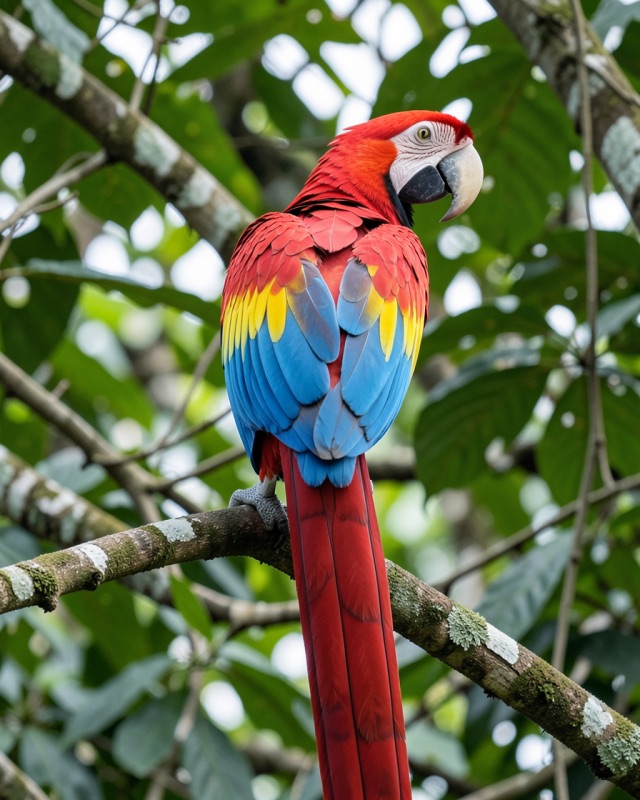
Those activities deserve advance planning. National-park access, authorized guiding arrangements and wildlife-tour permits are separate from your boat-taxi ticket. Do not assume the Sierpe shuttle includes entrance to Corcovado or transportation to Caño Island. They are different excursions with different operators, conservation requirements and weather considerations.
Some people prefer Drake Bay village for restaurants and a base with services; others choose isolated lodges for the sound of forest at night and a more immersive wildlife experience. Both can be wonderful. Match your boat ticket to the actual location and communicate your landing information to your accommodation.
If you are arriving late enough that the sun may be going down, plan carefully. The beauty of a remote coastline is precisely that it is not equipped like a downtown transportation hub. The last thing you want after a scenic crossing is to discover that your hotel is an additional boat ride away and nobody knows you are coming.
Are Sierpe and Drake Bay good places for wildlife watching?
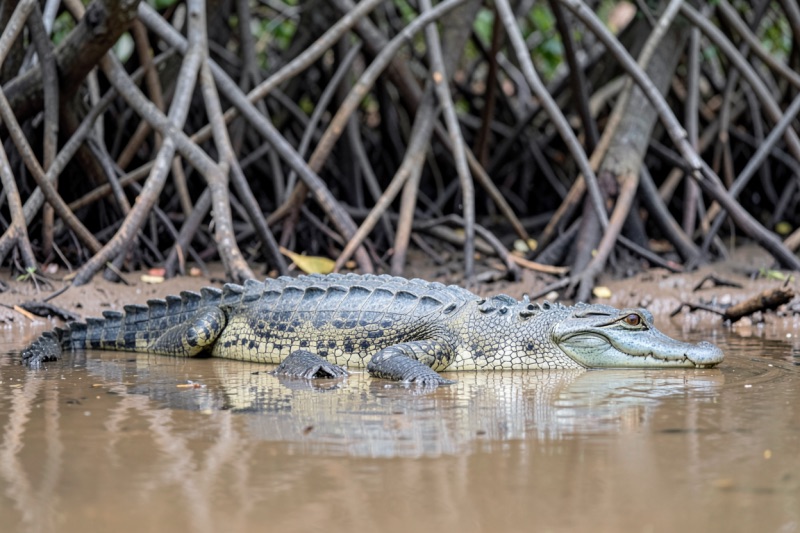
Yes, but they offer different environments. The Sierpe mangroves form a wetland ecosystem with river channels and coastal margins. A dedicated guided mangrove tour can spend time looking for birds, reptiles and other wildlife. The Drake Bay coast combines marine environments and rainforest, with opportunities for separate ocean and forest excursions.
The passenger shuttle may provide chance sightings, but it is not designed to stop repeatedly for wildlife. If you particularly love mangrove ecosystems, book an independent outing from Sierpe; our mangrove boat tours guide compares the main wetlands. If marine wildlife is your interest, consider an appropriate whale-watching, dolphin-watching or snorkeling trip from the Osa area, depending on season and conditions.
Responsible tourism means maintaining distance from animals, not feeding them and following park and operator rules. The most satisfying wildlife experiences are often the quietest ones: a bird sitting motionless above water, a dolphin surfacing at a respectful distance, or the rustling of trees as you walk beside the coast.
Should you book the return trip in advance?
Yes, particularly when you have a scheduled onward transfer. The direction from Drake Bay back to Sierpe often operates at a different time of day from inbound boats. You cannot assume that a vessel returning to Sierpe will be waiting whenever you check out of your lodge.
Ask your accommodation to confirm when you should be at its pickup point. Some beaches have no conventional signs or docks, and a captain may coordinate pickup using the lodge name. Weather can affect timing, and the boat may need to stop at other properties before reaching you.
On the return, leave enough time for the boat crossing, retrieval of your car if applicable, and subsequent road travel. If you are catching an international flight, building a spare night elsewhere in your itinerary can be less stressful than relying on a same-day chain of remote boat, road and airport connections.
An extraordinary way to arrive in the Osa
Drake Bay would be worth visiting even if you reached it by an entirely ordinary road. But arriving by boat gives the destination an unforgettable introduction. The river seems to draw a curtain of greenery around you. The Pacific adds a little drama. Then the Osa Peninsula appears, wild and beautiful, and the boat delivers you into a corner of Costa Rica that still feels wonderfully remote.
The practical advice is straightforward: reserve your seat, name your actual lodge, pack for a wet landing and leave enough time. Once those details are handled, enjoy the voyage. Some of the best scenery on your Costa Rica holiday may arrive before you have even checked into your room.
For current prices and reservations, see the Drake Bay boat timetable and booking information.
Where to stay near the Southern Pacific coast
Live prices from Booking.com, Expedia, Hotels.com and more.
Questions people ask
Is the Sierpe to Drake Bay boat a ferry?
It is a passenger boat shuttle, not a car ferry. It transports travelers and luggage between Sierpe, Drake Bay and some coastal lodging areas. Private vehicles stay on land.
Does the boat go directly to my hotel?
Some services continue beyond Drake Bay Center to specific coastal lodge sectors. Others may only take you to the village. Book for your named accommodation and verify its beach landing or pickup details.
How long is the boat ride?
Trips to Drake Bay Center are commonly described as roughly an hour, while additional coastal stops can take longer. Actual duration depends on sea conditions, the boat and the number of stops. Confirm with the current operator schedule.
Can I travel during the rainy season?
Boat services can operate throughout the year, but weather, river conditions and the Pacific swell affect individual departures. Follow the captain's safety decisions and plan with some flexibility.
Can I pay the captain when I arrive?
That depends on the operator. Advance reservations are the more reliable choice, especially if you need a particular lodge-sector drop-off or are traveling with a group.
Is the trip suitable for children?
Many families use the route, but suitability depends on the children's ages, the day's sea conditions and the boarding process. Ask about child-size life jackets, assistance and any special needs before booking.