Pochote · Boat tour
Pochote Ocean Adventures
Isla Tortuga, glowing water and the Gulf of Nicoya
Pochote Ocean Adventures is a small local boat company in Pochote, near Tambor on the sheltered gulf side of the Nicoya Peninsula. It runs private and shared Isla Tortuga trips, sunset and bioluminescence outings, whale watching and fishing. Private trips leave from Playa Pochote or Playa Tambor; the shared island day boards in Montezuma, with a road pickup from Santa Teresa.
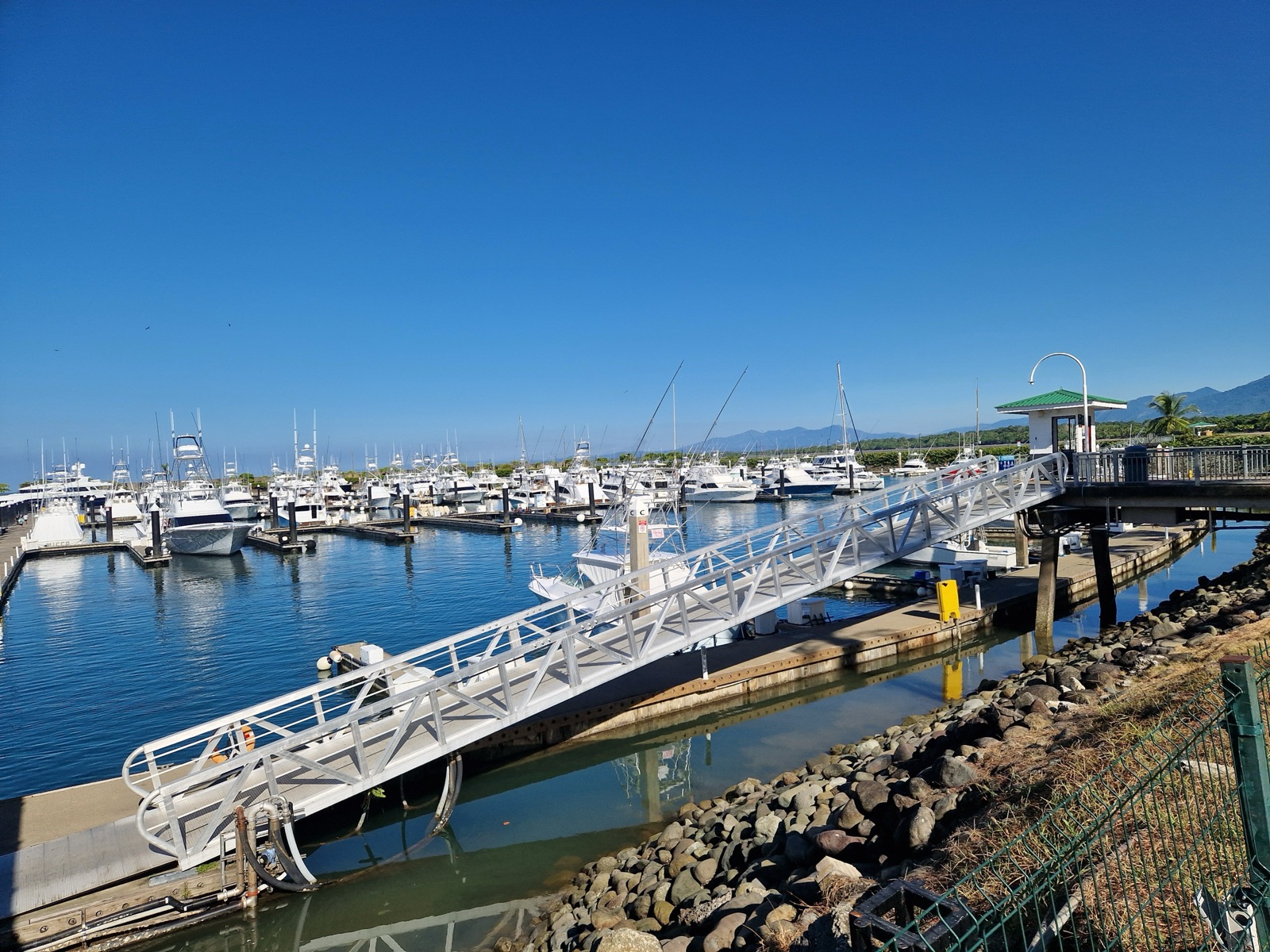
Some ocean adventures begin at a marina with a gift shop, a check-in counter and a row of yachts polished to a shine. Others begin in a little Costa Rican fishing village, where the mountains fold around a blue-green bay and somebody who knows the water calls out a cheerful greeting as you climb aboard. Pochote belongs to the second category. And that, frankly, is part of its considerable charm.
On the southeastern side of the Nicoya Peninsula, not far from Tambor, Pochote Ocean Adventures runs boat trips that make the Gulf of Nicoya feel less like a place on a map and more like an enormous, living playground. There are islands with pale beaches, mangrove channels full of quiet surprises, tropical fish beneath the surface, and evenings when tiny marine organisms make the water sparkle as if somebody dropped a handful of stars into the sea.
The company offers private trips to Isla Tortuga, shared island excursions, sunset and bioluminescence experiences, whale-watching outings, and inshore fishing. Its trips are attractive to people based in Tambor, Paquera, Montezuma, Santa Teresa and Mal País, but there is a geographical detail worth understanding right away: a tour sold to someone staying in Santa Teresa does not necessarily depart from Santa Teresa beach. The company's principal launch area is Playa Pochote, on the sheltered gulf side of the peninsula. Your exact meeting point depends on the experience booked: the private trips leave from Playa Pochote or Playa Tambor, while the shared Isla Tortuga day boards in Montezuma after a road pickup from Santa Teresa.
If your idea of a fabulous Costa Rica day is equal parts gorgeous scenery, friendly local knowledge and the possibility that something completely unexpected will appear beside the boat, read on. This small stretch of coast has plenty of personality.
First, where exactly is Pochote?
Pochote is a coastal community in the Paquera district of Puntarenas province, along the Gulf of Nicoya near Tambor and Bahía Ballena. Do not confuse it with a beachfront resort district or one of the Pacific's busy yacht harbors. It is a working coastal place, and part of its appeal is that fishing boats and daily village life still set the rhythm.
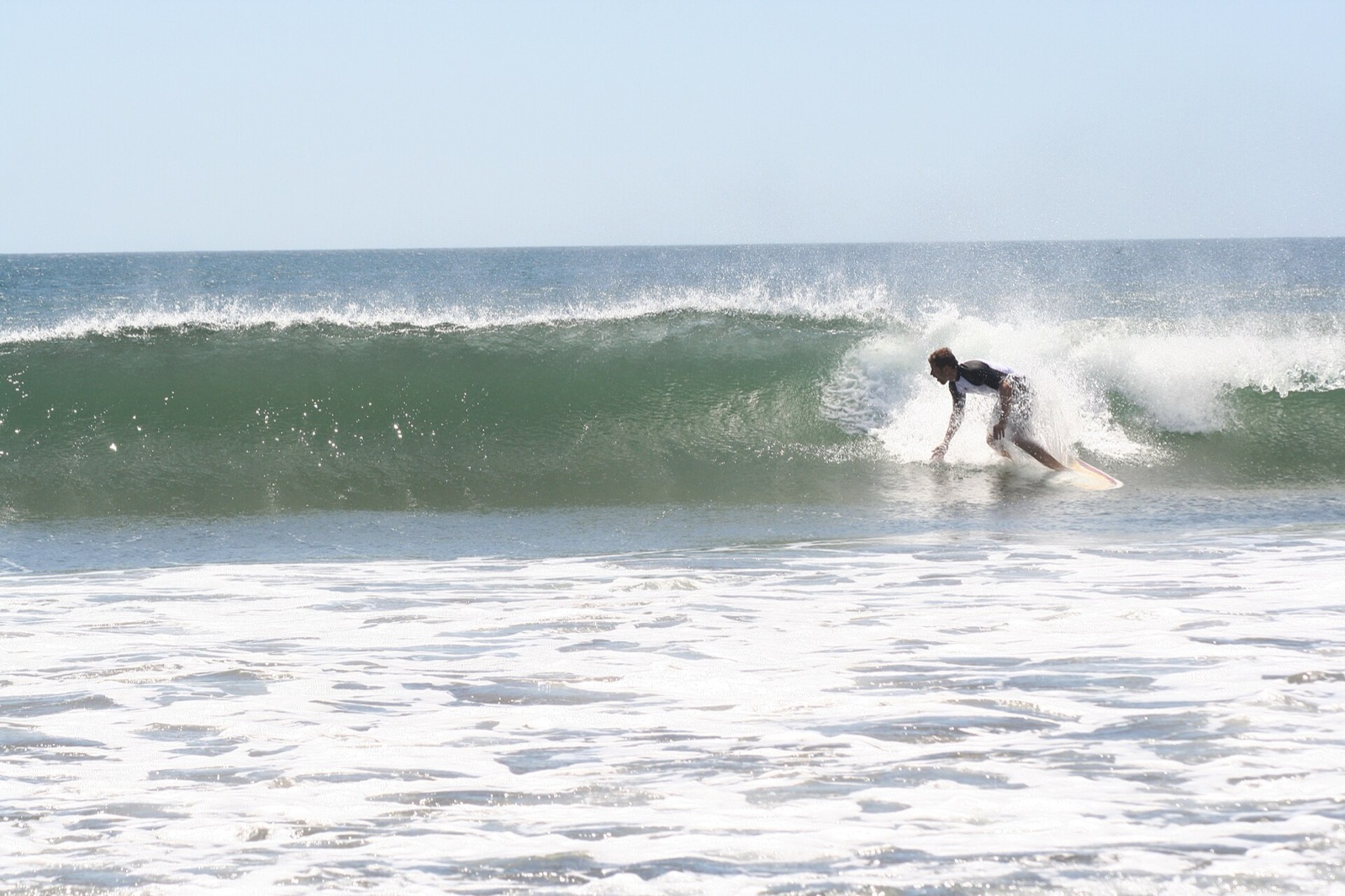
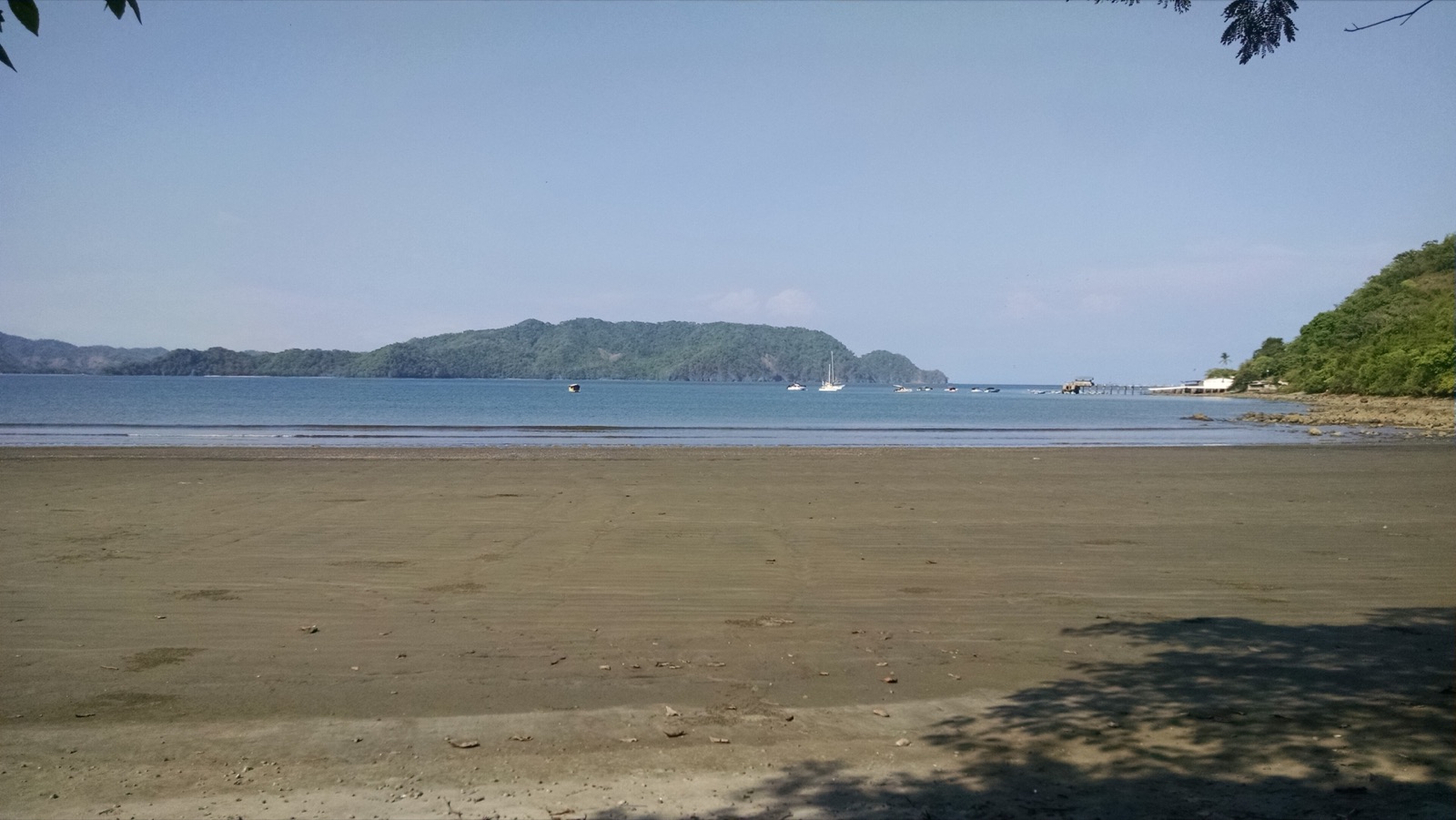
On one side of the peninsula, Santa Teresa and Mal País face the open Pacific. Those beaches are famous for surf, sunsets and long ribbons of sand. On the other side, around Pochote and Tambor, hills shelter parts of the gulf, the shoreline twists into bays, and islands interrupt the horizon. The difference matters. A boat trip here can include mangroves or protected-looking water that you simply will not encounter on an open-ocean surf beach. 'Protected-looking' is not a guarantee of flat conditions, of course. Wind, tide, swell and storms can change any boat day.
For travelers based in Santa Teresa, the operator explains its approach on its Tours from Santa Teresa page. Guests can arrange a road transfer across the peninsula or drive to the agreed launch point. That short overland change of scene is almost amusing: breakfast with surfers, an ocean excursion from a fishing village, and perhaps back in time for dinner in a beach town. Costa Rica is very good at making a single day feel like three separate holidays.
Visitors staying in Tambor may be especially close to the launch area. People in Montezuma should confirm whether their chosen trip boards at Montezuma, Pochote or another specified location. The operator publishes different boarding descriptions for different shared and private offerings, so make the actual departure beach part of your reservation, not a hopeful guess on the morning.
A local company, not a generic excursion desk
Pochote Ocean Adventures says the project was founded by Nina and Jockseban, united by a love of the ocean, nature and adventure. Its team page introduces Jockseban Alfaro, founder and guide, alongside local captains Allen Sanches and Alejandro Sequeira, and guide Ariel Rojas. The company's story is rooted in sharing the coast with visitors rather than selling a boat ride as a commodity.
That difference is easy to appreciate in principle. A captain who has grown up on the water sees more than a line of pretty hills. A tidal edge may be a fishing ground, a stand of mangroves a nursery for young fish, and a distant patch of disturbed surface a reason to slow down and look. Local knowledge does not mean anyone can promise wildlife on demand. It means guests have the chance to understand the place while enjoying it.
The company offers both private and shared tours, depending on the product. Private means your own booking group aboard the boat, with a more flexible day. Shared means traveling with other guests on a scheduled excursion. Neither is automatically 'better.' A sociable traveler may love the energy of a mixed group, while a family with young children or friends planning a special celebration may prefer the freedom of a private trip. The best choice is the one that fits the day you actually want to have.
There is another reason this sort of operation matters. Spending part of a holiday with a local coastal business puts people in direct contact with the communities whose livelihoods depend on the gulf. The coastline is not just a backdrop for vacation photographs. It is somebody's neighborhood, workspace and home.
Isla Tortuga: an island that knows how to make an entrance
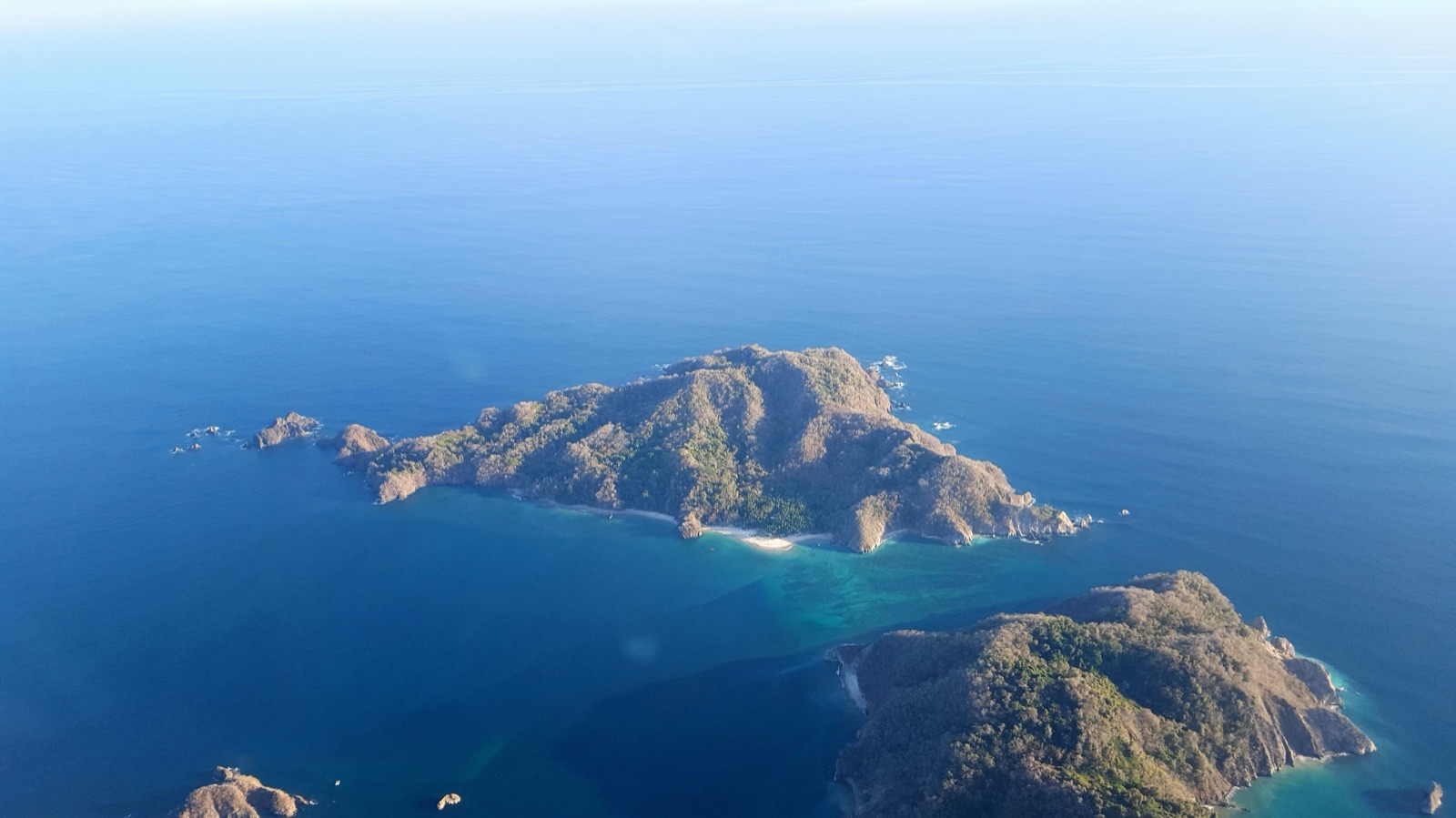
Let's discuss the obvious headline act. Isla Tortuga, or Tortuga Island, is one of the Gulf of Nicoya's best-known excursion destinations. From the water, the islands rise green and rounded against the sea. The beaches offer a pleasing contrast of pale sand, tropical foliage and water that can shift through several shades of blue and green as the light changes.
Pochote Ocean Adventures offers a private Tortuga Island tour that combines boat time, an island visit, snorkeling and a meal. The operator also markets a shared Tortuga excursion for travelers who prefer a group departure. That one boats from Montezuma, with a road pickup from Santa Teresa and Mal País and a short stop at the Cocalito waterfall on the way. Some itineraries may include additional stops such as Playa Los Muertos or nearby coastal wildlife areas. Check the itinerary on the exact tour page, because the contents, boarding location and conditions can differ.
The pleasure begins before the beach. Leaving the coast by boat rearranges your perspective. The hills soften into a green wall. Little bays open in unexpected places. A rock that looked ordinary from land becomes an impressive headland from the water. The Gulf of Nicoya has hundreds of these small visual tricks, and the people who live here have the unfair advantage of knowing most of them.
At Isla Tortuga, the choice can be delightfully simple. Put on a mask and investigate the underwater world. Swim if conditions permit. Wander along the beach. Sit in the shade with a drink and discover that watching boats arrive is a perfectly respectable holiday activity. Not every great adventure requires heroic athletic effort. Sometimes the achievement is not thinking about your email for six consecutive hours.
What is snorkeling around Isla Tortuga really like?
Snorkeling is one of the principal reasons people book an island excursion, but it is worth setting the right expectations. This is a tropical Pacific marine environment, not a guaranteed aquarium. Visibility changes with currents, rain, plankton, tides and seasonal conditions. What appears brilliantly clear on a sunny photograph may be different after heavy rain or a windy afternoon.
On a good day, visitors can see schools of fish moving through the water, rocky-bottom habitats and all the small surprises that make snorkeling addictive. A fish does not need to be rare to be fascinating. Watch how quickly a school changes direction, how a reef fish holds position in moving water, or how the landscape below the surface looks entirely different from the one above it.
The private tour page says snorkeling equipment is provided. Check sizes, any fins or flotation needs, and whether guides assist beginners. Someone who has never snorkeled before should say so before the boat leaves. It is much more enjoyable to begin in suitable conditions with the right support than to pretend expertise because the person next to you looks astonishingly confident in a mask.
And a small but vital point: never stand on coral or touch marine animals. Costa Rica's ocean is a place to visit, not a souvenir shelf. Ask the captain which areas are appropriate for swimming that day.
Could you make the island trip private?
Yes. The company advertises a private excursion for a small group. This is particularly appealing for couples, families, photographers, or people who want to divide their day differently from a scheduled group. Perhaps one person wants a long snorkel while another is happiest reading on the beach. Perhaps everyone wants an extra stop for photographs. Private trips can allow discussion about those preferences, subject to weather, access rules and the captain's judgment.
Confirm the maximum number of participants for the specific boat, whether the tour includes lunch, how much time is spent on land, and whether any additional activities on Isla Tortuga are separately charged by local providers. The operator's current tour page is the appropriate place for inclusions and availability, not an old screenshot shared by a well-meaning friend.
For current prices and availability, check the private Isla Tortuga tour or the shared Isla Tortuga excursion.
Playa Los Muertos: the quiet beach with a dramatic name
Another area associated with Pochote Ocean Adventures is Playa Los Muertos, also written Playa Muertos. The name sounds like the opening scene of a pirate movie, but the setting is considerably more inviting. Tucked into the gulf coast near Pochote and Tambor, this beach is known for green surroundings and a quieter feel than many heavily visited resort beaches.
On the company's private Tortuga Island itinerary, Playa Muertos appears as an additional coastal stop. On the sunset and bioluminescence excursion, it may be part of the evening outing. That makes it a useful example of why a locally guided trip can be so rewarding: the headline may say 'island tour,' but the smaller beach on the way home can become the place that sticks in your memory.
Picture a shoreline that has not been converted into a parade of giant hotels. Trees gather near the sand, the water turns reflective as the light drops, and the noises are the practical ones of nature: insects, birds, a distant motor, waves moving across the beach. On a beautiful evening, there is a moment when everyone on the boat seems to stop talking because the scene has already made the point.
Some visitors ask about the history of the name. Rather than invent a ghost story, the responsible answer is that local place-name traditions deserve proper documentation. Ask your guide for the community account, and let the story belong to the people who know it.
The glowing-water adventure: bioluminescence in the gulf
Then the sun goes down, and Costa Rica pulls out a trick that seems almost unfair to the rest of the planet.
Bioluminescence is light produced by living organisms through chemical processes. In suitable marine conditions, tiny planktonic organisms can flash when water moves around them. The result can be a brief glittering wake, sparks around an oar, or luminous swirls as the surface is disturbed. The spectacle is natural, not artificial, and it is not something a tour operator can switch on like a hotel swimming-pool light.
Pochote Ocean Adventures sells a sunset and bioluminescence tour departing from the Pochote/Tambor area, as well as packages combining an island excursion with an evening outing. The operator explains that its tours may visit a quiet beach at sunset before moving to an area selected for night viewing. Some tours offer optional snorkeling activities, but entering the water is always subject to conditions and the crew's instructions.
The gorgeous thing about this experience is the transition. In the afternoon, the gulf is a landscape of hills and islands. At twilight, its colors soften. After dark, attention shifts from the horizon to the water immediately beside the boat. A small disturbance becomes a tiny burst of light. A hand passing through the surface may leave a bright trail. It feels like discovering a secret that has been hiding in plain sight all afternoon.
Does the ocean really glow blue every night?
No one should promise that. The organisms can occur throughout the year in the region, but how visible the effect is depends on biological activity, moonlight, cloud cover, weather and water conditions. Darker nights often offer better contrast. A nearly full moon might be lovely for photographs of the coastline but make faint flashes harder to see. Turbidity and ambient lights also affect what your eyes notice.
The dramatic electric-blue photographs circulating online may use long exposures, color adjustments or conditions that do not happen on every trip. The actual experience can be subtler. That does not make it less remarkable. Seeing something alive answer your movement with light is plenty magical even when it does not resemble a science-fiction poster.
For safety, a bioluminescence trip should be judged primarily on night navigation, the crew's procedures, flotation equipment and the suitability of the conditions. Swimming after dark should never be assumed. Guests who are uncomfortable entering the water can still ask about observing from the boat.
For current prices and departure options, check Pochote Ocean Adventures' bioluminescence tour.
Dolphins, whales and the thrilling uncertainty of wild animals
There is a particular moment on a wildlife boat trip when someone points at the surface. Everyone follows the finger. For a second there is only water, and then a shape appears that makes the entire boat go quiet. It might be a dolphin, a ray, a turtle, or a whale breathing above the sea. The wonderful thing is not knowing in advance.
Pochote Ocean Adventures offers a private whale-watching tour in the Nicoya Peninsula. Its current listing describes seasonal humpback whale activity and opportunities to look for dolphins. Humpbacks visit Costa Rica's Pacific waters during migrations from different hemispheres, with seasonal peaks varying by region. Costa Rica can be remarkable for whale watching, but no animal has made an appointment with a tour boat.
The ethical way to enjoy these encounters is to watch from a respectful distance and let the captain follow the applicable marine-wildlife rules. A dolphin surfacing near the bow is exciting; chasing dolphins until they alter their behavior is not. A mother whale with a calf deserves particular care. Never ask the crew to crowd, pursue or cut across the path of wildlife for a closer photo.
For photographers, patience beats frantic zooming. Keep your camera ready, but spend some time simply watching. You may notice dolphins traveling in a loose group, seabirds working over a patch of water or a whale surfacing several times in a sequence. Even when there are no whales, the peninsula's shoreline, islands and warm light make the outing worthwhile.
For current prices, seasonal availability and the published whale-watching itinerary, check the official whale-watching tour.
Fishing the Gulf of Nicoya: a different kind of ocean day
Some people board a boat carrying a camera. Others carry the hope of a fish that will turn an otherwise calm morning into a glorious, arm-aching argument. Pochote Ocean Adventures caters to that second group too.
The company offers inshore fishing trips and a deep-sea fishing option. These are different experiences. Inshore fishing concentrates on coastal habitats and appropriate target species; a deep-sea trip involves longer runs and different conditions. The itinerary should be selected for the group's experience, the season and the captain's assessment of where fishing is realistic.
Costa Rica's Pacific fishing culture is rich, and locally familiar species include roosterfish, jacks, snapper, tuna and mahi-mahi, although availability depends on habitat, distance from shore and season. Do not confuse an operator's list of potential species with a catch guarantee. The fish are notoriously disinclined to read promotional material.
If you are booking with children or first-time anglers, ask whether the boat can provide a patient introduction rather than a high-intensity offshore outing. Clarify tackle, drinks, shade, seasickness preparation, catch-and-release expectations, applicable fishing licenses and what happens if rough weather makes the intended area unsuitable. Inshore trips can be exciting without turning the day into an endurance event.
Responsible handling matters. Costa Rica has fisheries regulations and protected areas; captains should operate within the rules and explain what can or should be released. A photograph beside a beautiful fish is not worth jeopardizing the fishery that makes these experiences possible.
For current prices and details, check the inshore fishing tour and deep-sea fishing tour.
Why this coast is so beautiful from the water
People sometimes ask whether a boat tour is worth the trouble when Costa Rica already has sensational beaches. The answer is in the angle of view. From the sand, you see one beach. From a boat, you begin to understand how the coastline fits together.
The Gulf of Nicoya is a complicated, captivating meeting of land and sea. Islands sit between broad channels. Mangroves occupy the quieter margins. Rocky points extend into deeper water. A distant headland may be hazy blue at breakfast and almost black against a gold sky at dusk. In the wet season, the hills can become extravagantly green, as if the jungle has decided to turn up its saturation settings.
There is an unusual mix of environments within a relatively compact area. On a single well-planned outing, travelers might experience open-water views, a sandy island, a narrow mangrove margin and a sheltered beach. Each is a different way of looking at the Pacific. It is difficult to make them feel adequately different by looking at photographs on a phone. The changes become much more dramatic when the boat is actually moving between them.
And the wind changes everything. A light breeze can make a warm afternoon comfortable. A strengthening wind can create chop and alter the planned route. This is one reason to choose a captain with local knowledge and remain flexible. Ocean adventures are better when the itinerary respects the ocean rather than attempting to negotiate with it.
Pochote's mangroves: where the ocean begins again
One of the most interesting habitats around Pochote is the mangrove ecosystem. Mangroves are not merely peculiar trees that enjoy standing in water. Their root systems help stabilize coastal margins and create shelter for young fish, crustaceans and other creatures. Birds work the channels, while changing tides bring new sounds and movements into the forest.
A mangrove trip is a lesson in noticing small things. You may be looking for a brightly colored bird and suddenly realize that the roots themselves are extraordinary. Water reflects the green canopy. The air can become very still. When the captain reduces speed, the trip stops feeling like transportation and becomes exploration.
Mangroves aren't a listed stop on the company's current tour pages, so if you'd like to see them, ask whether a stretch can be fitted into a private trip. Not every Isla Tortuga or fishing reservation follows the same route. Some days, tide and weather may make a different experience preferable.
A responsible visit should avoid wildlife harassment, unnecessary wake in narrow channels and damage to vegetation. Keep hands and feet inside the boat, do not feed monkeys or birds, and let the guide determine appropriate viewing distances. It is easy to forget that a mangrove channel is not a theme-park ride. It is a living coastal neighborhood whose residents have been there much longer than the tourism industry.
Which Pochote Ocean Adventures trip should you choose?
There is no single best answer, because 'the best boat day' changes dramatically depending on who is aboard.
For a first visit to the Nicoya Peninsula: a Tortuga Island trip is the natural starting point. It combines scenery, a beach destination and the possibility of snorkeling, making it easy for different people in the group to enjoy the day in their own ways.
For couples: sunset and bioluminescence offer an appealing change of atmosphere. The evening begins with wide ocean views and, when conditions cooperate, ends with a phenomenon that is genuinely unlike a conventional sightseeing cruise.
For families: a private Tortuga outing may make pacing simpler. Young children can need shade, snack breaks and extra patience; older children might be thrilled by snorkeling. Discuss ages, flotation needs and boarding conditions with the operator before booking.
For nature lovers: a whale-watching trip during a suitable season, or an itinerary with mangrove and coastal-wildlife time, can be particularly rewarding. Treat every sighting as a gift rather than something owed by the sea.
For anglers: the choice is between inshore and deeper-water fishing. Talk to the captain about target species and sea conditions rather than choosing solely by how impressive the words 'deep sea' sound.
For a mixed group: ask about a private custom itinerary. A morning beach visit followed by more swimming may suit everyone better than trying to squeeze every advertised activity into one day.
Coming from Santa Teresa, Montezuma, Tambor or Paquera
Here is the logistics issue that most visitors should solve before imagining the perfect photographs.
From Santa Teresa or Mal País: expect a road transfer across the peninsula for Pochote departures, unless your particular reservation explicitly names another launch. The company's Santa Teresa guide explains the Pochote boarding concept and discusses optional private transportation. Do not assume that an ocean excursion begins on the open beach directly outside your hotel.
From Montezuma: some of the company's shared tours are marketed with Montezuma boarding or pickup arrangements, while other private trips identify Pochote or Tambor. Check your booking confirmation rather than relying on the tour name.
From Tambor: you are already on the gulf side of the peninsula. Confirm whether boarding is at Pochote, Tambor or a specific nearby meeting point and ask how early to arrive.
From Jacó or Herradura: a shared boat taxi crosses the gulf from Playa Herradura to the dock in Tambor Bay, close to Pochote. Our Jacó to Montezuma boat taxi guide explains how it works. Tell the operator if you're arriving that way so the timings line up.
From Paquera: Pochote is in the same broader district, but individual roads and access points still matter. Request the operator's exact map pin. A beach address in Costa Rica is not always a conventional street address.
From San José: if combining this trip with a longer Nicoya Peninsula visit, the Puntarenas to Paquera vehicle ferry may be part of your route. Naviera Tambor publishes the official timetable and ticket information. Our Costa Rica ferries guide explains the crossing. Leave enough margin for road traffic, ferry boarding and the drive beyond Paquera. Trying to arrive for an ocean tour immediately after a tightly scheduled cross-country transfer is an efficient way to convert a holiday into a logistics competition.
What should you bring aboard?
Pack for sunshine, saltwater and the possibility that the weather changes its mind. A reef-conscious sun-protection routine begins with a hat, sunglasses, a lightweight long-sleeved shirt and shade whenever possible. Bring sunscreen suitable for your needs, but remember that no sunscreen alone makes swimming around sensitive marine habitats environmentally harmless.
For an island outing, a swimsuit, towel, sandals or water shoes and a change of clothes are sensible. A dry bag is excellent for a phone and documents, but be cautious about assuming anything labeled 'waterproof' can survive every wave. Bring a reusable bottle if practical. Ask the operator what drinking water and food are included, especially if anyone has allergies or dietary restrictions.
For whale watching, a camera with a strap and a little patience are more important than expensive equipment. For bioluminescence, do not expect your phone to reproduce what your eyes can see. Use an appropriate low-light camera only if you know how to operate it safely in a moving boat, and never sacrifice your balance for a photograph.
Anyone prone to motion sickness should prepare in advance. A sheltered bay is often more comfortable than open water, but no captain can guarantee the absence of chop. Speak with a pharmacist or clinician if you need advice on medicine; some products cause drowsiness, which is not a delightful surprise halfway through an excursion.
For night outings, carry a layer for the return trip and obey instructions about light use. A bright phone flashlight can spoil other guests' night vision just when the sea is doing something marvelous.
How do you book, and where are the prices?
The easiest starting point is the company's official tour directory. Individual pages explain the tour type, group sizes, potential itinerary, and reservation options. The company lists its phone number, +506 6010 1437, has a WhatsApp chat on its site and provides a contact page for direct inquiries.
It is worth asking four questions in one message: Where exactly do we board? Is this a private or shared trip? What is included? What happens if weather changes the plan? Those answers usually solve most of the problems that turn a lovely day into a stressful one.
Pochote Ocean Adventures publishes current options for private Tortuga Island, shared Tortuga Island, bioluminescence, whales and fishing. For current prices, check those official booking pages, since availability and packages can change.
Frequently asked questions about Pochote Ocean Adventures
Is Pochote Ocean Adventures based in Santa Teresa?
No. The company is based in Pochote, Paquera, near Tambor on the gulf side of the Nicoya Peninsula. It markets experiences to visitors in Santa Teresa, Mal País and nearby towns, and can discuss transportation to the proper departure point. The tour title and the boarding beach are not necessarily the same place.
Can I visit Isla Tortuga without booking a private boat?
Yes. The operator advertises both private and shared excursions. Compare the inclusions, time on the island, pickup arrangements and group style before choosing.
Is bioluminescence guaranteed?
No. Biological activity, moonlight and weather affect visibility. The operator offers trips that seek suitable conditions, but the sea does not follow a stage manager's lighting cues.
Can non-swimmers enjoy a tour?
Often, yes. Island scenery, beach stops, coastal cruising and wildlife watching can be enjoyable without snorkeling. Tell the operator about your swimming confidence and ask whether the boat's boarding arrangements and planned stops are appropriate.
Are the whale trips available all year?
The company advertises whale-watching excursions, but the best chances of seeing humpbacks are seasonal. Check the current tour description and ask what marine wildlife is realistically being observed during your travel dates. No sighting should be guaranteed.
Can the boats depart directly from Montezuma?
The shared Isla Tortuga day does board in Montezuma. The private trips leave from Playa Pochote or Playa Tambor. Confirm the exact departure beach in writing when booking. This is particularly important for private itineraries and groups staying inland.
Are meals included?
The private Tortuga Island tour currently lists lunch and refreshments, whereas other products have different inclusions. Check the individual page and tell the team about allergies, vegetarian requirements and any food restrictions.
Is Pochote suitable for a family adventure?
Potentially, yes, especially when a private trip allows a customized pace. Suitability depends on the children's ages, swimming ability, sea conditions, boat boarding and the crew's guidance. Ask about child-size life jackets and other specific needs before confirming.
The beautiful thing about an ocean day in Pochote
Costa Rica has no shortage of spectacular beaches. You can spend weeks chasing the next cove, surf break, waterfall or perfect view. But a day with Pochote Ocean Adventures offers something different: the opportunity to see how all those beautiful things connect when you look at them from the water.
You leave a village that still belongs to the rhythms of the sea. You cross an astonishingly pretty corner of the Gulf of Nicoya. Perhaps you snorkel beside an island. Perhaps you meet a dolphin, spend an hour under the shade of a beach tree, or watch tiny flashes of living light after sunset. Perhaps none of those things unfold in exactly the order you imagined. That is the point. This is nature, not a choreographed indoor attraction.
And when the boat comes home, the hills are the same hills you saw that morning, but somehow the coastline looks different. You know what is around a few of its corners now. You have been out there. You have felt the wind, smelled the salt, watched the sky and learned a little more about what makes this part of Costa Rica remarkable.
For the itinerary that matches your own idea of a memorable day, explore Pochote Ocean Adventures' current tours. The ocean is waiting. It cannot promise to behave, but it is almost guaranteed to be beautiful.
Frequently asked questions
Is Pochote Ocean Adventures based in Santa Teresa?
No. The company is based in Pochote, Paquera, near Tambor on the gulf side of the Nicoya Peninsula. It markets experiences to visitors in Santa Teresa, Mal País and nearby towns, and can discuss transportation to the proper departure point. The tour title and the boarding beach are not necessarily the same place.
Can I visit Isla Tortuga without booking a private boat?
Yes. The operator advertises both private and shared excursions. Compare the inclusions, time on the island, pickup arrangements and group style before choosing.
Is bioluminescence guaranteed?
No. Biological activity, moonlight and weather affect visibility. The operator offers trips that seek suitable conditions, but the sea does not follow a stage manager's lighting cues.
Can non-swimmers enjoy a tour?
Often, yes. Island scenery, beach stops, coastal cruising and wildlife watching can be enjoyable without snorkeling. Tell the operator about your swimming confidence and ask whether the boat's boarding arrangements and planned stops are appropriate.
Are the whale trips available all year?
The company advertises whale-watching excursions, but the best chances of seeing humpbacks are seasonal. Check the current tour description and ask what marine wildlife is realistically being observed during your travel dates. No sighting should be guaranteed.
Can the boats depart directly from Montezuma?
The shared Isla Tortuga day does board in Montezuma. The private trips leave from Playa Pochote or Playa Tambor. Confirm the exact departure beach in writing when booking. This is particularly important for private itineraries and groups staying inland.
Are meals included?
The private Tortuga Island tour currently lists lunch and refreshments, whereas other products have different inclusions. Check the individual page and tell the team about allergies, vegetarian requirements and any food restrictions.
Is Pochote suitable for a family adventure?
Potentially, yes, especially when a private trip allows a customized pace. Suitability depends on the children's ages, swimming ability, sea conditions, boat boarding and the crew's guidance. Ask about child-size life jackets and other specific needs before confirming.